Wall and Drywall Mold Removal in Wilder, ID
Damaged drywall is removed and wall cavities are cleaned and dried in your Wilder property. Call 24/7 to arrange your assessment and cleanup.
- Wall moisture checked first
- Contained removal and HEPA filtration
- Cavities dried before repair
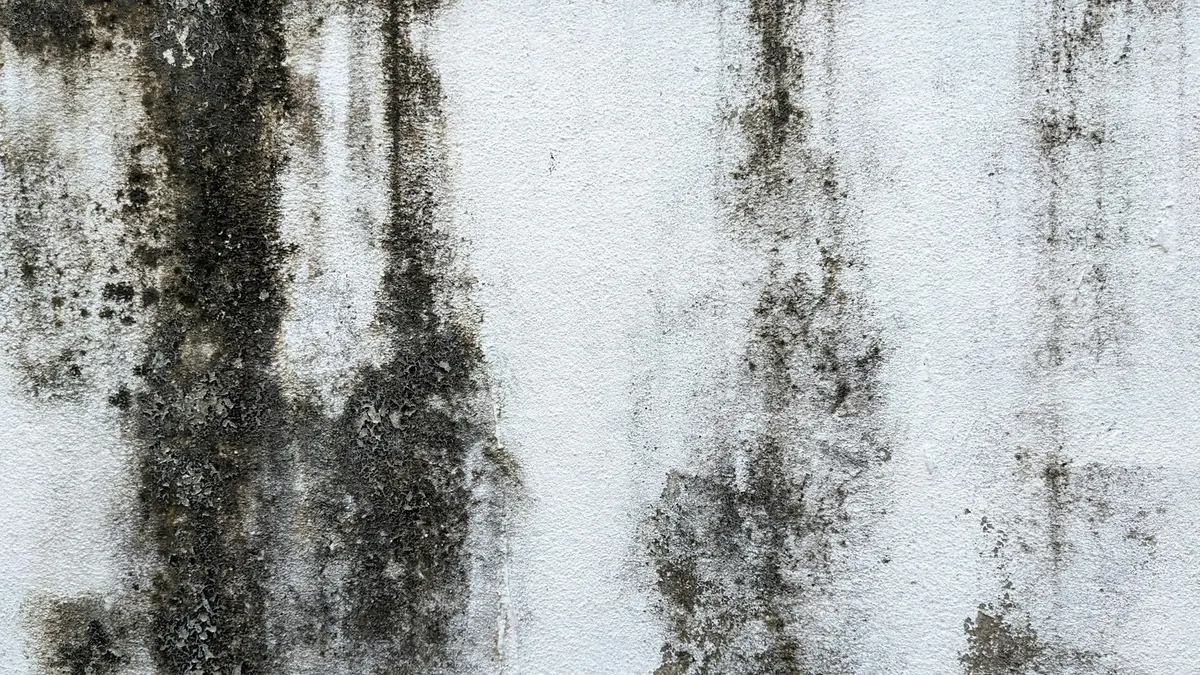
Explore Wall and Drywall Mold Removal Services in Wilder
Cleanup addresses your wall cavity along with wallpaper, drywall and baseboards. Sound studs stay for cleaning and drying; damaged drywall and wall insulation come out.
The condition of your porous, paper-faced drywall determines whether it needs removal or cleaning. Before work begins, access behind tile and cabinets is planned.
Before mold is removed from your walls, the source is traced: plumbing or window leaks, or condensation at an exterior wall. Your work scope puts the separation in writing, with cleanup distinct from leak repairs and later drywall replacement and painting.
- Wall surface and cavity assessment
- Controlled removal of damaged sheetrock
- Affected wallpaper and insulation removal
- Sound framing cleaned and dried
- Moisture checks before wall repair
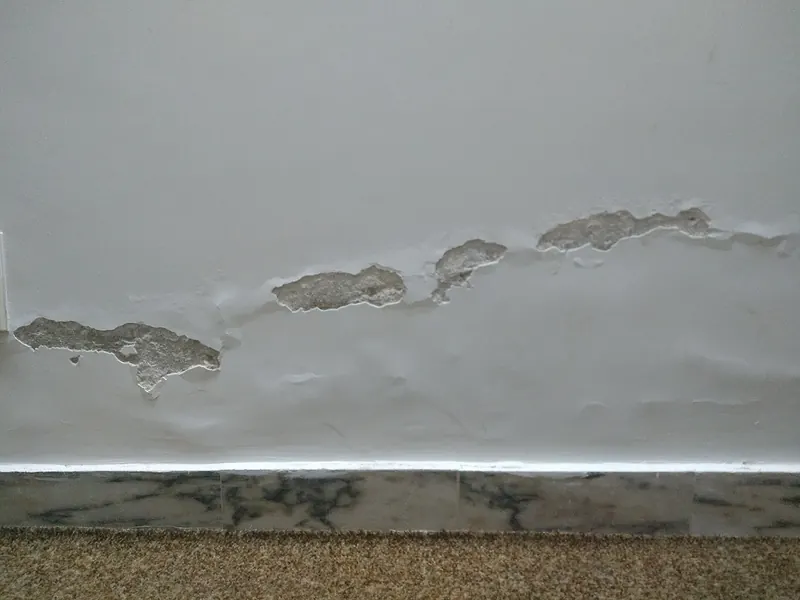
Warning Signs for Wall Mold Cleanup in Canyon County
Your wall needs assessment when finishes are damp, drywall softens or mold returns.
Mold Behind Wallpaper
Peeling back paper exposes patches underneath on either the wall or the backing.
Musty Smell Near a Wall
An ongoing smell around your cabinets may accompany hidden damp materials.
Dampness Along Several Walls
Recurring marks in different rooms can indicate moisture extending past one visible area.
Mold on Walls Keeps Returning
Cleaning or painting does not stop spots from returning beside windows, plumbing fixtures or baseboards.
Soft Drywall and Peeling Paint
Bubbling paint, swelling or water stains remain after a leak.
How Wall and Drywall Mold Removal Works
Your walls are assessed first. Contained removal follows, then surfaces are cleaned and dried before verification.
Assess the Wall and Cavity
Your visible mold and finish damage undergo assessment. A moisture meter maps dampness; a thermal imaging camera flags temperature differences but cannot identify mold.
Trace Wall Moisture and Set the Scope
Investigation covers hidden moisture along with condensation and leaks. Separate repairs for moisture and the extent of removal are outlined before starting work.
Contain the Wall Work Area
Poly sheeting is used to create a containment barrier. Protective equipment, negative air pressure and a HEPA air scrubber limit particle spread.
Remove Damaged Drywall
Your damaged board, insulation and wallpaper come out inside the contained area. Exposed cavities get assessed; bagged waste travels out by a protected path.
Clean Exposed Wall Surfaces
HEPA vacuum cleaning and surface cleaning are used on suitable non-porous surfaces and sound framing. You still need physical cleanup with antimicrobial treatment.
Dry the Wall Cavity
After cleanup, drying is supported by air movers and a dehumidifier. Repairs address condensation or leaks as moisture readings show how drying progresses.
Complete the Post-Remediation Check
Cleaning, drying and moisture correction are checked before the wall is closed. An independent assessor performs clearance testing when specified in your scope.
Remove Containment After Verification
Containment comes down after agreed post-remediation verification. Repairs involving insulation, finishes and drywall follow the scope for separate rebuilding.
Why Choose Boise Mold Removal Services for Drywall Mold Removal and Wall Cleanup
Clear Wall Removal Scope
Your scope defines wall sections, cavity access and separate rebuilding before removal begins.
Cleanup Through Final Checks
After damaged board comes out, framing receives cleaning and drying; verification happens before containment removal.
Wall Moisture First
Your assessment traces leaks and condensation before damaged board is replaced.
Calls Answered 24/7
You have one number to begin wall cleanup in Greater Boise, with nights and weekends included.
Contained Work With HEPA Filtration
Particles leaving your wall work area are limited through HEPA filtration and containment.
Getting Ready for Wall Cleanup in Canyon County
Keep your damaged walls intact. Call to have them assessed.
- Address active water. Arrange leak repair when safe; keep away from wet wiring and outlets.
- Leave the wall intact. Do not scrape growth, sand drywall or pull away wallpaper before assessment.
- Limit access. Keep children and pets away from damaged materials and the work area.
- Avoid spreading particles. EPA cautions against operating HVAC equipment you suspect is contaminated; never point fans toward walls with mold.
- Keep damage uncovered. Keep new finishes off moist board, and never cover mold with paint.
Your Wall and Drywall Mold Removal Cost in Wilder
Your price depends on access, square footage and cavity damage. These national ranges separate removal from drywall repair. Overlapping removal ranges are not added together.
Full drywall mold removal may cost $20,000 or more
$1,000 to $20,000 per jobSource: This Old House, Mold Remediation Cost (cost data credited to Angi) (checked 2026-10-23)Drywall repair or replacement after removal
$1,000 to $2,900 per jobSource: Servpro, Mold Remediation Cost (checked 2026-10-23)What Influences Your Wall Cleanup Cost
- Access behind cabinets
- Affected wall square footage
- Insulation and framing condition
- Containment and air filtration
- Separate testing and moisture repairs
Your Wall Cleanup Price
These published national ranges are planning figures. Your on-site assessment defines the work and price before cleanup starts, including any separate source repairs or rebuilding.
Call (844) 352-3560 about costWall and Drywall Mold Removal Service Area Across Greater Boise
Call (844) 352-3560 to arrange cleanup in Wilder or nearby communities. One number covers the metro.
ZIP codes
Answers to Wall and Drywall Mold Removal Questions in Wilder
How much does drywall cleanup cost in Canyon County?
Your price depends on affected square footage, access behind finishes and damage inside the cavity. The cost cards above show published national ranges with their sources and units. Repairing drywall and removing materials are distinct categories. Before cleanup starts, the on-site assessment establishes your work scope and price.
Do you need testing before or after removing the wall?
Under EPA guidance, visible mold frequently needs no air sampling. The removal area and affected materials are identified through inspection and moisture checks. Checks of drying and cleaning happen ahead of taking containment down. An assessor independent of the removal work conducts clearance testing when specified. Federal rules set no limit on indoor mold levels.
Will mold in walls return after cleanup?
Mold can return if the water problem remains. Before cleanup, your assessment tracks condensation, leaks and damp materials inside the cavity. Before installing replacement board, sound framing is cleaned and then dried. Fixing moisture problems and maintaining humidity control help prevent a repeat of the conditions that enabled growth.
Will the moisture issue be corrected as part of wall cleanup?
During assessment, identifying the moisture source accompanies defining necessary corrections, removal and drying. Only repairs to plumbing or windows and changes to ventilation listed in your scope are included. Separate repair work is identified before starting so your cleaned cavity is not closed around an unresolved water problem.
Can you remain at home through wall cleanup?
You might remain at home where rooms in use stay apart from containment and the route for debris. Access limits depend on your household needs, affected bedrooms, shared ventilation and layout. Some work requires temporary arrangements away from home. These conditions are evaluated ahead of wall opening, material removal and cleaning.
Is removing every part of the wall necessary?
You do not automatically need a full wall replacement; removal depends on damage identified in the assessment. Insulation beyond saving and mold-affected paper-faced board may have to come out. Cleaning and drying are often possible for sound studs. Additional damage found when opening the cavity leads to a scope adjustment before further removal.
How long will your wall cleanup in Wilder last?
Your schedule is set after the affected board, cavity and access route are assessed. Removing a small section involves different work from opening walls behind cabinets. Drying decisions rely on moisture readings, not surface looks. Timing for your room's normal use is also affected by verification, leak repair work and finishing the drywall.
Wall Mold Cleanup and Insurance in Idaho
Homeowners insurance coverage depends on the moisture cause, exclusions, mold limits and deductible. Cleanup and rebuilding may receive different coverage decisions.
Taking Precautions With Wall Mold Across Greater Boise
Mold spores and dust from your walls spread less with containment.
Contaminated Water
EPA recommends turning to a professional when sewage or contaminated water is involved with mold.
Wall Mold Color
CDC says color does not tell you how risky mold is, including black mold on drywall.
Sensitive Occupants
Some people may experience allergy and asthma symptoms triggered by mold. Risk is greater for people who have asthma, lung disease or weakened immune systems.
Concealed Wall Damage
Deteriorated framing needs a repair assessment before new board closes the cavity.
Cleanup scope: Homeowners can often clean areas smaller than about 10 square feet, according to EPA. Larger areas, HVAC systems or contaminated water call for professional help.
Wall Material Cleanup and Removal Across Canyon County
Sound materials are cleaned; damaged porous materials may need removal.
Drywall and insulation
- Removal includes bagging moldy board, ruined insulation and damaged wallpaper.
Wall studs and plaster
- You can have sound framing cleaned and dried, with separate assessments for plaster and the backing.
Trim and hard surfaces
- Swollen trim may need replacement; accessible metal, glass and tile may be cleanable.
Planning Your Wall Cleanup and Repair Schedule in Canyon County
Drying, access and repairs following remediation determine your schedule.
- Wall access: Your access to damaged materials varies with adjoining rooms, tile and cabinets.
- Cavity drying: Moisture readings establish whether your cleaned framing is ready to receive replacement board.
- Finishing: Cleanup and the agreed verification precede installing drywall, completing joint finishes and applying paint.
Wall Odor and Moisture Control in Wilder
Musty odors are investigated with moisture checks. Fragrance or paint does not correct damp wall materials.
EPA advises an ideal indoor relative humidity of 30 to 50 percent and a level below 60 percent. To help your walls remain dry after repair, correct leaks and use appropriate ventilation.
Requirements for Your Wall Cleanup in Idaho
State Work Requirements
Idaho does not have a state agency that regulates mold inspection or removal, and the Department of Health and Welfare says no Idaho state law requires mold inspections or sets cleanup standards. It is worth asking any contractor about their training and checking local contractor rules.
EPA Guidelines for Drying
To prevent mold growth, dry affected items and areas within 24 to 48 hours of water damage.
Wall Repair Permits
The included rebuilding, plumbing or structural work determines which permits are required.
State Mold Information
The Idaho Department of Health and Welfare (DHW) Environmental Health Program answers mold questions at 800-445-8647, but DHW does not test or inspect homes for mold.
State guidance: Idaho Department of Health and Welfare, Mold; Idaho Attorney General, Landlord and Tenant Manual (July 2026)
Related Services and Next Steps
Start Your Wall and Drywall Mold Removal in Wilder
Call 24/7 to arrange your assessment. Your cleanup starts with the affected surfaces, moisture source and access to your home.